Photo Media
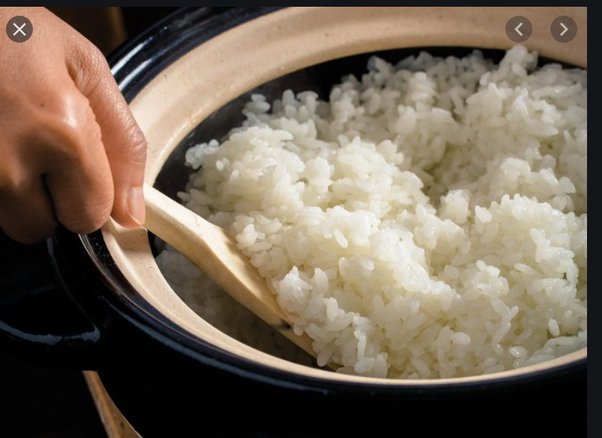

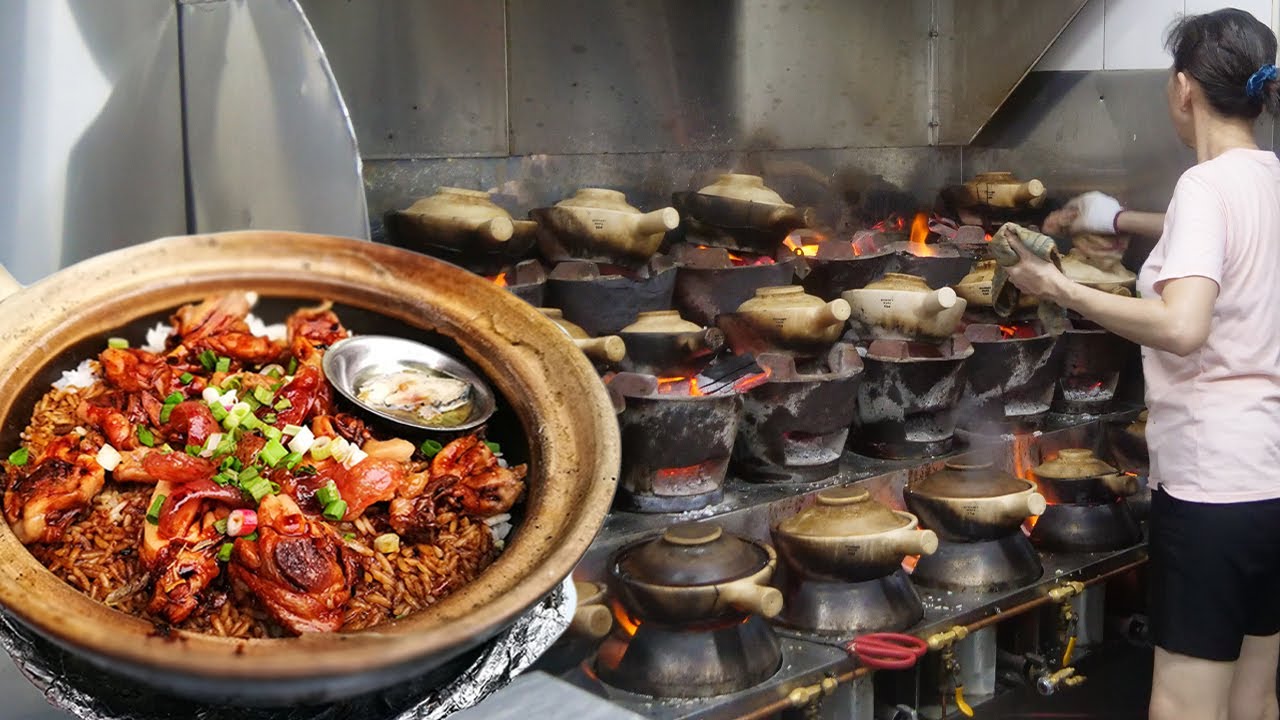

Claypot Rice (or bo zai fan in Cantonese) is a humble rich dish with an incredibly deep and complex flavor profile. We can trace the modern claypot rice dish to ancient China where people used claypots over fire, traditionally charcoal to cook rice. By using a claypot, we can infuse the rice with rich flavors, unlike in modern rice cookers because rice in a claypot can "breathe" through pores in the clay. In Hong Kong, street vendor chefs prepare a classic claypot rice steaming scallions, ginger, Gailan, marinated chicken, marinated mushrooms, and Chinese Sausage while simultaneously cooking the rice below. In doing so, the flavor from the toppings slowly seep into the rice to develop a gently season bed of fluffy white rice. The most iconic component of the dish and the most technically challenging part of the dish sits at the bottom of the bowl: the charred rice. Chefs must carefully rotate the bowl to char the rice at the bottom of the claypot so that a crispy layer can form. The timing must be perfect. If the rice is not charred enough, the iconic crunchy rice will not form. But if the rice is charred too long, the rice will burn and taint the smell of the dish.
For this recipe, I will cover the core elements of a classic claypot rice and provide guidance as to how you can mimic the flavors of Hong Kong with limited equipment!
Made With Lau's website acts as both an informative source and acts as a useful tool during the cooking process. On its own, the website provides enough context, story, and instruction to help a first time cook successfully prepare this dish. At the same time, the website leverages media, including an interactive ingredient list and embedded media, that help a user gather real time guidance.
The Bon Appétit website excels in the quality of its written copy, including great detail and tips about the recipe at hand. The page includes an extremely detailed list of ingredients and the instructions go into excruciating detail, which is helpful upon a first readthrough but becomes irrating during the cooking process. I also find that the "Review" section on the recipe page validates the content and provides a sense of community that may comfort a user.
Just One Cookbook's page wisely uses high quality photographic media to entice a user and guide the user through the cooking process. In including such well thought out images and video media, the website may appeal more to inexperienced cooks provided clear references to the user. However, such use of media makes following the recipe difficult at times simple because of the amount of scrollable content.
My favorite part of the Ikea website is the no frills product demonstration and description. There is an incredible amount of information related to the display product that is well hidden but is easily accessible should a user need specific information. For example, the Ikea website leverages a pullout window to display product information without interrupting the main page displaying their beautiful products. I wish to adopt their method of thinking to avoid overwhelming a user looking at my recipe website and will consier some of the Ikea website techniques in my website design.
The Thrudark website uses striking images that fill the majority of the page to demonstrate the sublime nature of their products and brand. I'm consider using large background images to take the user through a food journey. The large images will capture and focus the user's attention provided me an opportunity to walk a user through a carefully organized narrative.
I would image that my user would access my recipe website either right before cooking or while cooking. Google maps does an excellent job displaying (and hiding) a large amount of useful information in an intuitive user interface. I need to make my website compatible for a mobile device, similar to Google maps, so that a user can use my website in a moment of cooking panic. Some techniques that I plan on using include minimal touch points so a user can focus on cooking, clear iconography to guide a first time user, and navigational tools that direct a user to points on the page.